 Community Forum · Samburu County
Why Governance Matters at the Community Level
Governance is often spoken about in the language of parliaments, policies, and institutions. But for millions of Kenyans, governance is experienced much closer to home — in how resources are shared, in whether every voice gets heard, and in who gets to make decisions that affect the entire community.
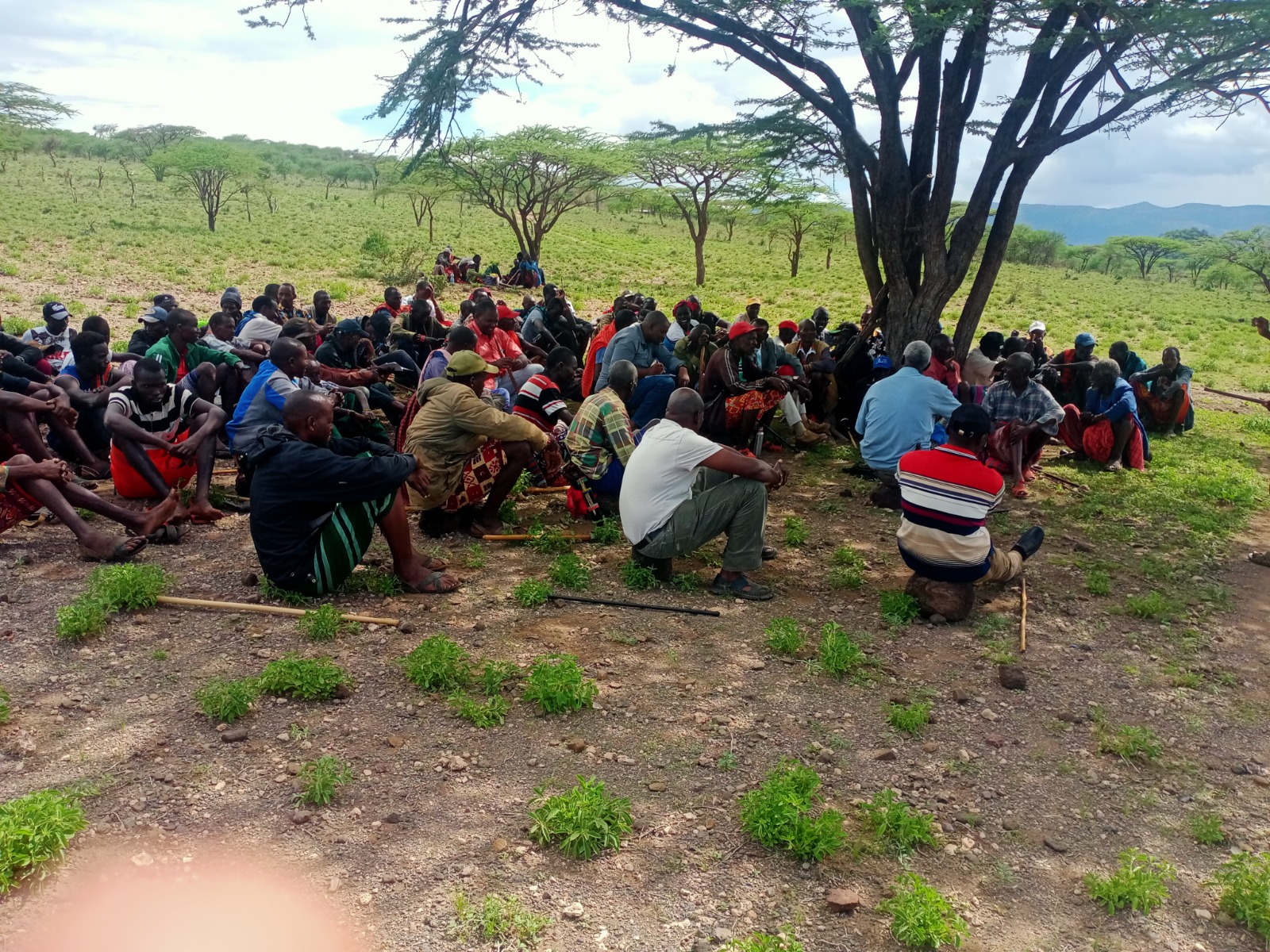
In Samburu County, where communities have long navigated complex relationships with land, water, and shared resources, local governance has always mattered deeply. Yet for many years, community members — particularly elders, women, and youth — have felt excluded from the decisions that shape their lives. Resources have been mismanaged. Voices have gone unheard. Decisions have been made without the people most affected.
Thrive Alliance Initiative believes this must change. Through our Community Engagement Forums on Governance, we are working across Samburu to put decision-making power back where it belongs: in the hands of the people.
What Are Community Engagement Forums?
Community Engagement Forums are structured gatherings organised by Thrive Alliance Initiative in villages and settlements across Samburu. They bring together community members — elders, youth, women, local leaders, and ordinary residents — to discuss, debate, and decide on matters that affect their collective wellbeing.
The forums focus on three key pillars:
- Participatory Budgeting — empowering communities to have a direct say in how local resources and funds are allocated.
- Community-Driven Resource Management — training communities to manage shared resources — water, land, and community assets — transparently and sustainably.
- Governance Training for Elders and Leaders — equipping traditional leaders with knowledge on inclusive governance, accountability, and the importance of respecting every community member's voice.
The goal is not to replace traditional structures but to strengthen them — to blend the wisdom of community elders with the principles of transparent, inclusive, and accountable governance.
Participatory Budgeting: Communities Deciding Their Own Priorities
One of the most transformative aspects of our forums is participatory budgeting — a process that allows community members to directly identify priorities and decide how available resources should be used.
In many communities, budgets are decided by a few individuals at the top, leaving residents with no knowledge of how money is spent or why. Participatory budgeting changes this. Every community member — from the eldest to the youngest adult — gets to speak, propose, and vote on what matters most.
Through our forums in Turkana, communities have used participatory budgeting processes to prioritise access to clean water, school infrastructure, healthcare outreach, and drought response resources — decisions that reflect the real and lived needs of the people, not assumptions made from outside.
When people see that their ideas become real plans, they stop feeling like strangers in their own community. They become owners of it.Thrive Alliance Initiative Community Facilitator
Community-Driven Resource Management
Turkana is a county rich in both natural resources and cultural knowledge. Yet resource mismanagement — driven by poor governance, conflict, and lack of transparent systems — has historically undermined community wellbeing.
Our forums introduce communities to practical frameworks for managing shared resources collectively. This includes establishing community resource committees, setting transparent rules for resource use, creating accountability mechanisms, and building conflict resolution skills rooted in local culture.
When communities manage their own resources with clear rules and shared accountability, outcomes improve dramatically. Boreholes are maintained. Grazing land is protected. Community funds are spent where they are needed most.
Training Elders: Governance Rooted in Respect
In Turkana culture, elders hold immense moral authority. Their guidance shapes community decisions, resolves disputes, and preserves social order. Thrive Alliance Initiative deeply respects this. Our governance training is not designed to sideline elders — it is designed to work with them.
Our elder governance training sessions focus on the importance of inclusive decision-making — ensuring that women, youth, and minority voices are heard and respected alongside traditional leadership. We explore how the best decisions are made when all perspectives are considered, and how inclusive governance strengthens rather than weakens community authority.
The training also addresses accountability — how leaders can be transparent about decisions and resources, and how communities can hold their leaders to account without conflict or division.
Every day is a day to make a decision. Make sure you do the right one.